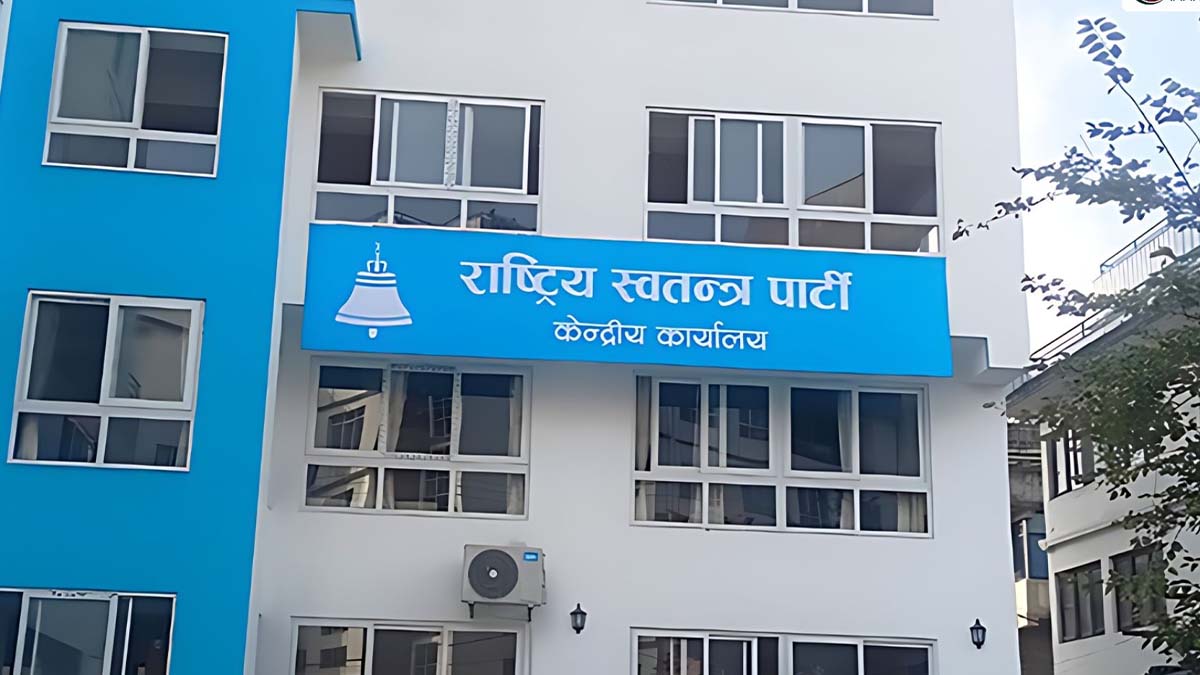
RSP Candidates List 2026: Your Full Province-Wise Nepal Election Guide
As Nepal gears up for the pivotal 2026 House of Representatives election, political landscapes are shifting, and new contenders are making their mark. Among them, the Rastriya Swatantra Party (RSP) has emerged as a significant force, captivating public attention with its promise of change and good governance. Understanding the slate of candidates they are fielding across the nation is crucial for anyone following the democratic pulse of the Himalayan republic. This comprehensive guide delves into the RSP's strategy, their chosen representatives, and what their participation means for the future of Nepali politics. For those keen on the political dynamics and the individuals representing various parties, a deep dive into the
candidats élections népal is essential.
The Rise of RSP and the 2026 Nepal Elections
The Rastriya Swatantra Party (RSP), founded on principles of anti-corruption, transparency, and a push for youth-centric governance, has rapidly carved out a niche in Nepal's political arena. Their ascent reflects a growing desire among the Nepali populace for alternatives to traditional parties and a fresh approach to national development. The upcoming 2026 House of Representatives election represents a critical juncture for the party to solidify its presence and influence policy-making.
The House of Representatives, Nepal's lower house of parliament, is where the nation's laws are debated and passed, and where the government is formed. With 165 directly elected members (and 110 elected through proportional representation), the composition of this body directly impacts the country's trajectory. The RSP's decision to contest a vast majority of these direct election seats signals its ambitious vision to become a major political player. Their campaign focuses on issues ranging from economic reforms to social justice, aiming to resonate with a broad spectrum of voters disillusioned with perennial political challenges. The selection of their
candidats élections népal is a testament to their nationwide aspirations.
RSP's Comprehensive Candidate Roster: A Province-Wise Overview
The Rastriya Swatantra Party has demonstrated its nationwide ambition by announcing a robust list of candidates for the upcoming House of Representatives election. Initially aiming for all 165 constituencies, the party ultimately filed nominations for 164 seats, with one candidate in Manang not proceeding with their nomination. This extensive coverage signifies their intent to challenge established parties across every corner of Nepal, from the eastern plains to the far-western mountains. This widespread fielding of
candidats élections népal showcases a party committed to national representation.
Let's take a closer look at their provincial distribution and some notable candidacies, highlighting the breadth of their electoral strategy:
Koshi Province: Eastern Foothold
In Koshi Province, encompassing eastern Nepal, the RSP has fielded a significant number of candidates, reflecting their strategy to build a strong base beyond the traditional political strongholds. From the mountainous districts of Taplejung and Sankhuwasabha to the populous plains of Jhapa, Morang, and Sunsari, the party has positioned itself as a viable option. For instance, candidates like Birendra Shrestha in Taplejung, Mahendra Bikram Thamsuhang in Panchthar, and Nisha Dangi in Jhapa-1 represent the party's push into various demographics and regions within the province. Indira Ranamagar in Jhapa-2 and Ganesh Karki in Morang-3 are also notable figures, with the party aiming for strong performances in these key districts. The sheer number of RSP contenders here indicates a serious bid for influence in the east.
Madhesh Province: Engaging the Southern Plains
Madhesh Province, a politically vibrant and diverse region in southern Nepal, is another critical battleground for the RSP. The party has nominated candidates across all districts, including Siraha, Dhanusha, Mahottari, Sarlahi, Rautahat, Bara, Parsa, and Saptari. This includes figures like Dr. Shambhu Yadav in Siraha-3, Manisha Jha in Dhanusha-3, and Ujjwal Jha in Mahottari-3, indicating a blend of local leadership and diverse backgrounds. Their widespread presence in Madhesh signifies an attempt to appeal to the distinct political and social dynamics of the region, often dominated by regional parties and traditional national players. The competition here will be fierce, making the performance of these
candidats élections népal particularly telling.
Bagmati Province: The Heartland of Political Buzz
Bagmati Province, which includes the capital Kathmandu, is arguably the most watched electoral arena. The RSP has a strong presence here, building on its past successes and the high political awareness of the urban electorate. With candidates in constituencies like Dolakha, Ramechhap, Sindhuli, Rasuwa, Dhading, Nuwakot, and crucially, all ten constituencies of Kathmandu, the party is set to make a significant impact.
Key Candidates and Noteworthy Contests
The RSP's candidate list includes a mix of established figures, young professionals, and social activists, embodying their anti-establishment and pro-change image. Several candidacies stand out:
*
Kathmandu Metropolitan Area: The capital city is always a focal point. The RSP has fielded strong candidates across Kathmandu's 10 constituencies. Notable names include Ranju Darshana in Kathmandu-1, who has a history of independent political activism and youth engagement, and Shishir Khanal in Kathmandu-6. These urban contests are often seen as barometers of public sentiment and the RSP's ability to mobilize urban voters.
*
Sobita Gautam: Previously elected from Kathmandu Constituency No. 2, Sobita Gautam has registered her candidacy from Chitwan Constituency No. 3. This strategic move to a different, high-profile constituency highlights the party's confidence in her appeal and its effort to expand its influence beyond the capital. Her candidacy adds a layer of intrigue to the Chitwan electoral landscape.
*
Diversity and Professional Backgrounds: A glance at the candidate list reveals a concerted effort by the RSP to nominate individuals from diverse professional backgrounds – doctors, engineers, entrepreneurs, and social workers. This reflects their promise of bringing fresh perspectives and technical expertise to parliament, contrasting with traditional career politicians. Candidates like Dr. Bikram Timilsina in Nuwakot-1 and Dr. Achyut Ram Lamichhane in Nuwakot-2 are examples of this emphasis on professional competence.
The detailed nomination process, as highlighted by reports from Kantipur, saw intense activity across the country. In Kathmandu alone, 257 candidates registered for 10 constituencies, with constituency number 1 having a staggering 30 nominations, including Ranju Darshana. Similarly, in East Nawalparasi, 37 candidates registered for two constituencies, indicating the highly competitive nature of these elections. The presence of independent candidates, such as the 10 nominations in Jumla, further illustrates the vibrant, albeit crowded, democratic exercise in Nepal. For more insights into these key filings, refer to
Nepal Elections: Who Filed Candidacy? RSP & Key Constituency Numbers.
Navigating the Election: Tips for Voters and Observers
For voters, understanding the RSP's comprehensive candidate list is just one part of making an informed decision. Here are some tips for navigating the upcoming elections:
1.
Research Beyond Party Lines: While party ideology is important, delve into the individual candidates' backgrounds, track records, and specific promises.
2.
Engage with Local Debates: Attend local rallies, forums, and interact with candidates to understand their local development agendas.
3.
Verify Information: In an age of information overload, cross-reference news and claims from multiple reputable sources.
4.
Understand the Electoral System: Familiarize yourself with how the House of Representatives is elected, including both direct and proportional representation systems.
5.
Consider the Party's Broader Strategy: The RSP's decision to contest 164 seats indicates a long-term vision. Analyze how their strategy might impact coalition politics and governance. For a deeper look into their overall plan, check out
Rastriya Swatantra Party: Analyzing Their 164-Seat Election Strategy.
The RSP's widespread candidacy strategy highlights their commitment to building a national presence. However, translating nominations into actual victories requires significant ground game, voter mobilization, and effective communication of their agenda. The multi-party system in Nepal ensures a dynamic and often unpredictable electoral outcome, making every constituency and every candidate vital.
As the 2026 House of Representatives election draws closer, the Rastriya Swatantra Party's comprehensive list of
candidats élections népal across 164 constituencies marks a significant moment in Nepal's political journey. Their strategic candidate selection, focusing on diverse backgrounds and challenging traditional strongholds, reflects a determined effort to reshape the nation's political landscape. For voters and observers alike, understanding this extensive roster and the underlying electoral dynamics will be key to comprehending the potential shifts in Nepal's governance. The performance of these candidates will undoubtedly play a crucial role in determining the future direction of the country.